
Ask anything about the job.
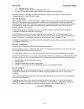
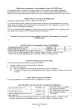
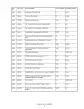
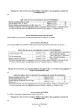
Upload your bid package. Viarum sorts through it and pulls the answer, with the page it came from.
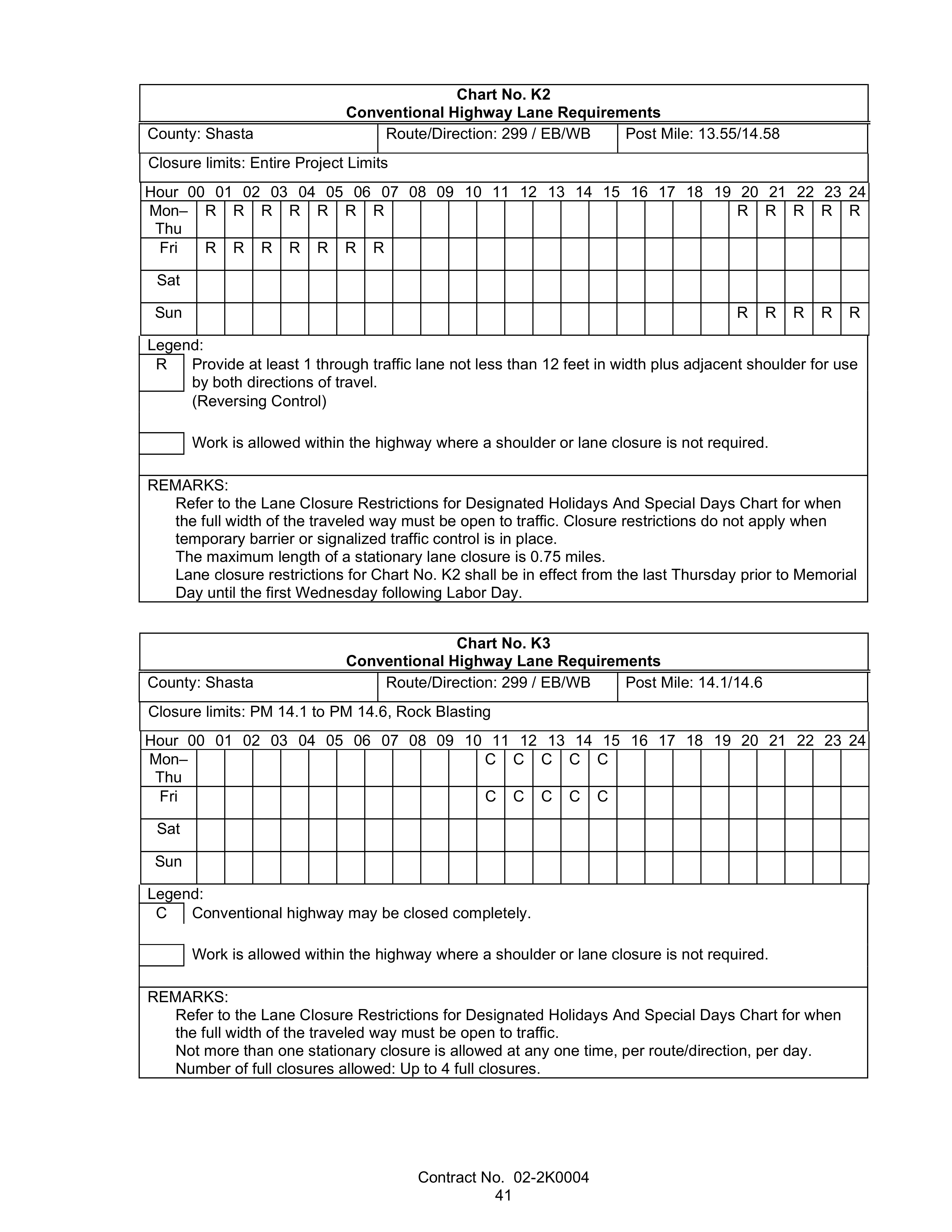
How many full closures do we get for rock blasting?
Up to four, 10 a.m. to 3 p.m. on weekdays.
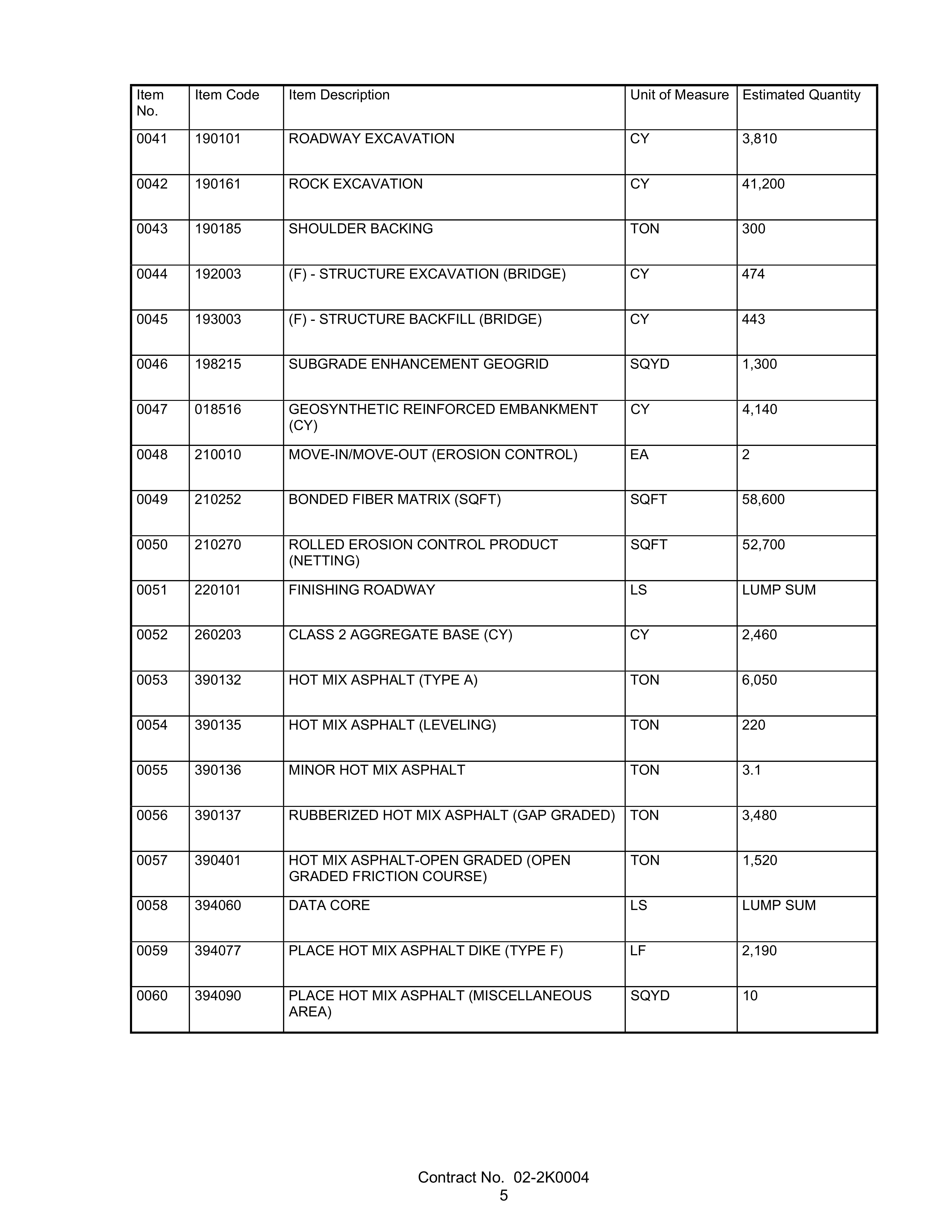
Chart K3 lets you close the highway completely between PM 14.1 and 14.6 for rock blasting, up to four times. Worth knowing with 41,200 cubic yards of rock excavation in bid item 42.
What goes in around the guardrail posts?
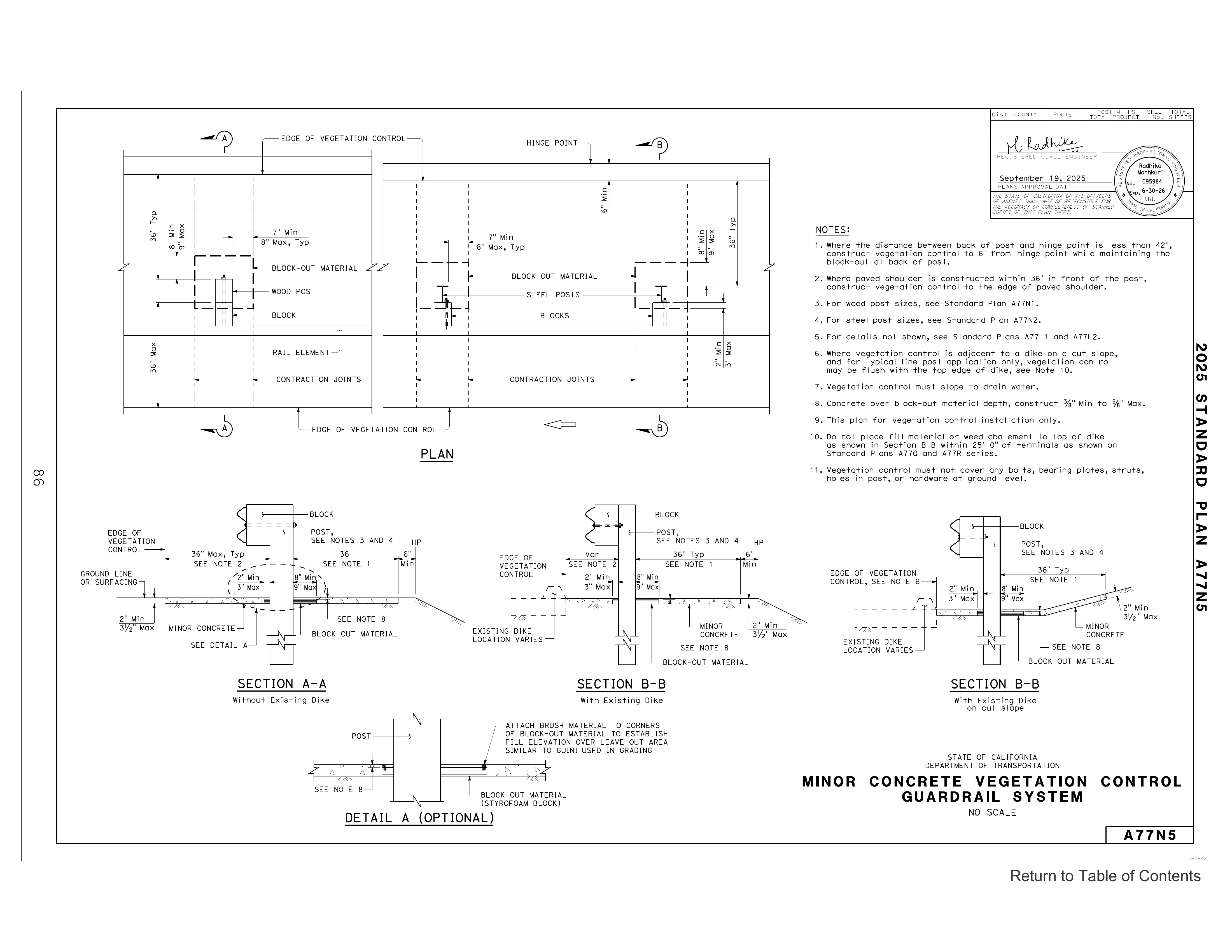
Minor concrete, 2 to 3½ inches thick.
It runs up to 36 inches in front of the post and 36 behind, stopping at least 6 inches short of the hinge point. Around each post goes block-out material: 2 to 3 inches in front, 8 to 9 behind.
How long do we have to finish the job?
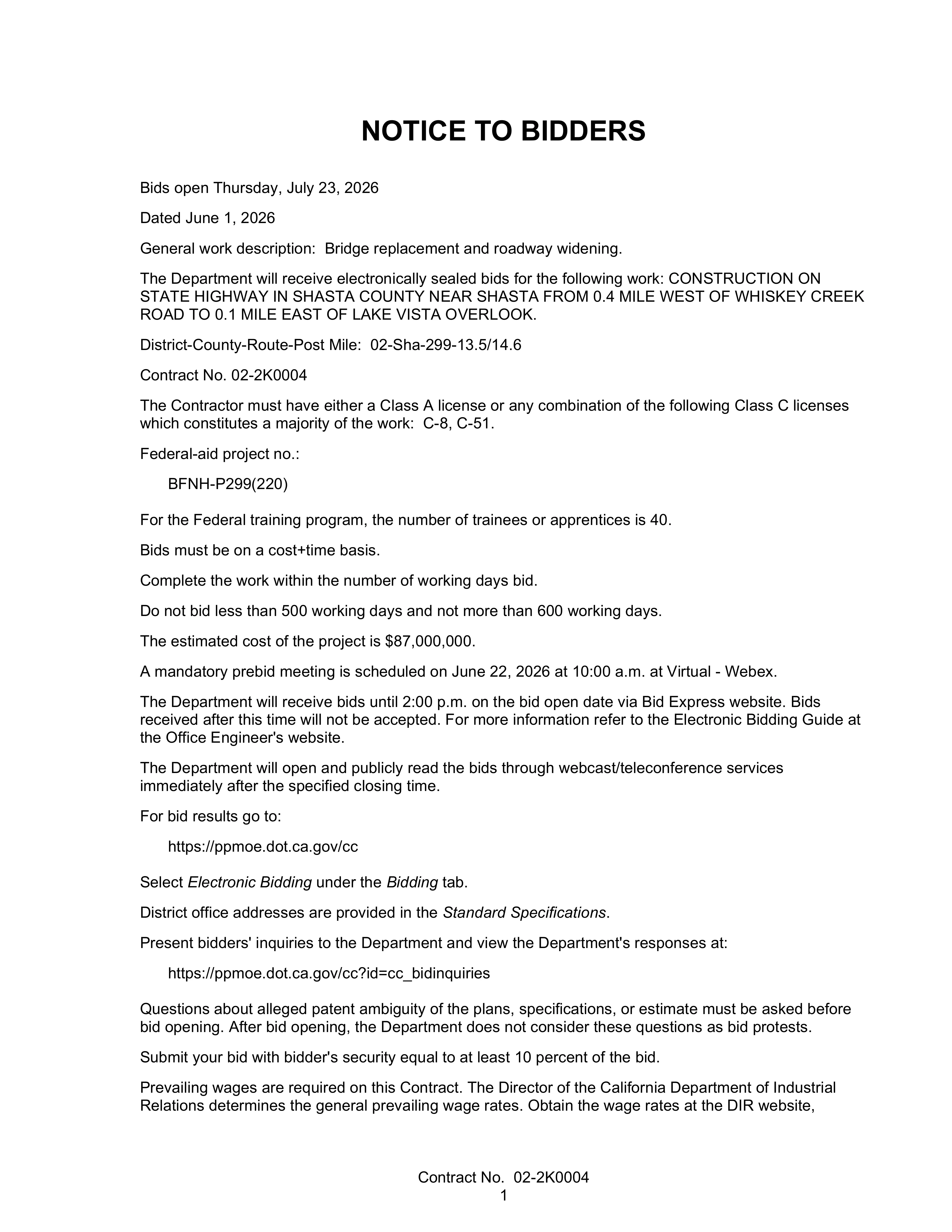
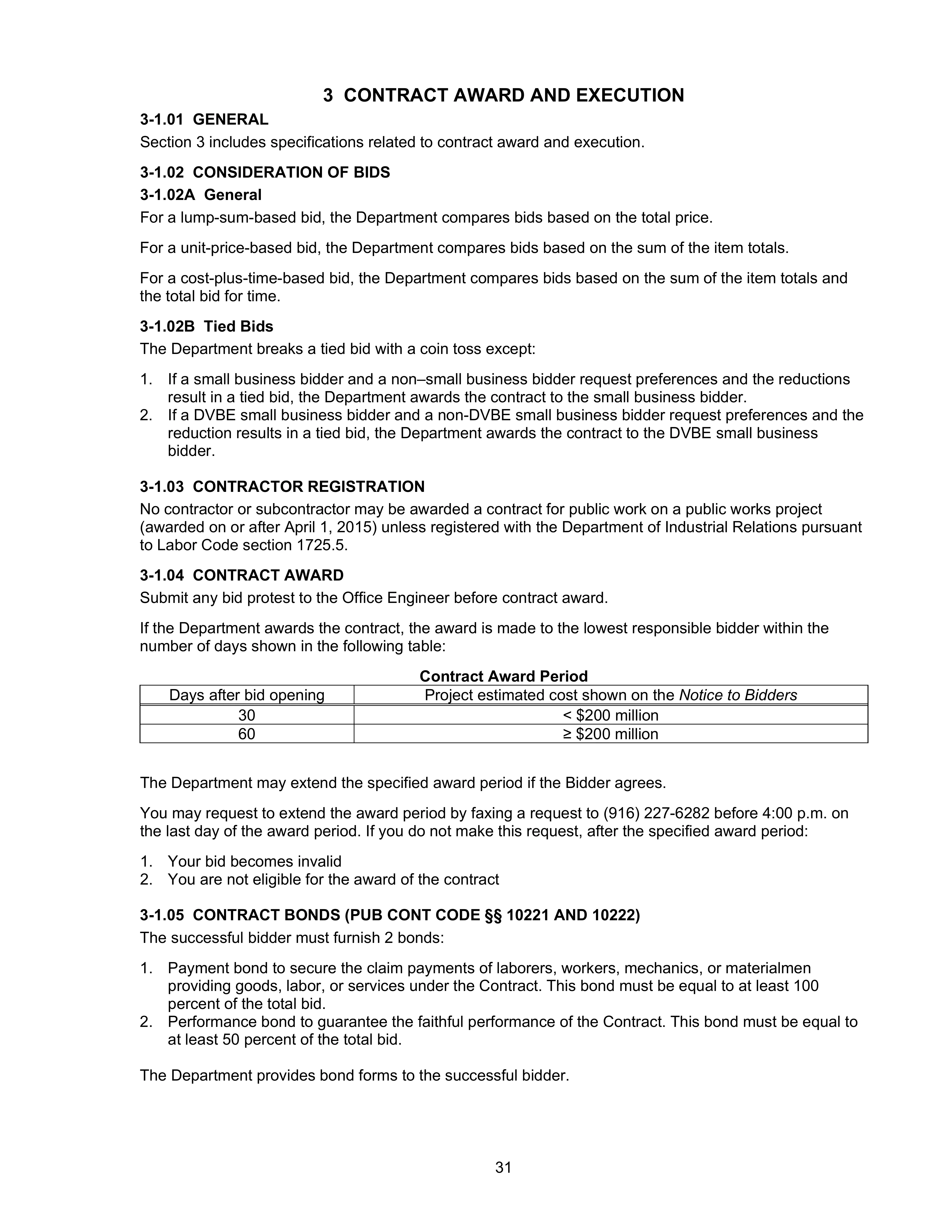
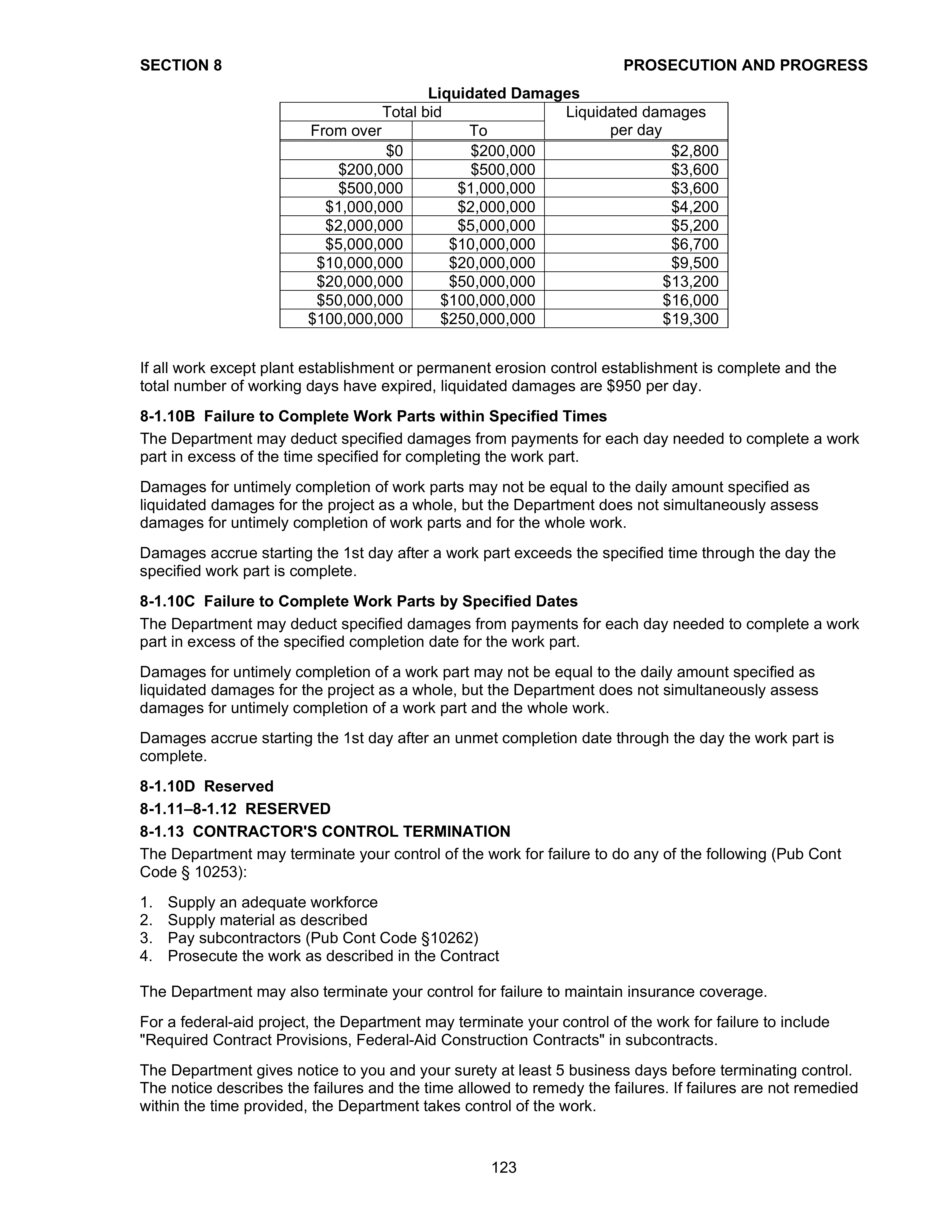
You choose: bid 500 to 600 working days.
On this job you bid the schedule along with the price, and Caltrans weighs both, so fewer days can win you the job. But you are held to the days you bid: each day late costs $16,000 in damages on a bid of $50 to $100 million, the range of the $87 million estimate.
From grading to paving.
Ask about any work you’re pricing. Get answers drawn from the specials, spec book and bid items together, with sources.
A small 3D model of the job: a hill, a creek and oak groves, with the highway staked across them and being built back from the edge, layer by layer, from graded ground to the finished surface. Drag to turn it.
Can we clear the trees in the spring?
Only after a nesting bird survey. From February 1 to September 30, a qualified biologist surveys no more than 7 days before trees or other vegetation come out, with results to the Engineer 5 days ahead. From October 1 to January 31, no survey is needed.
- Special provisions 14-6.03A · p. 47
What does working in the creek add to our cost?
Sampling, every 4 hours. During in-water work, including a clear water diversion, the water is sampled every 4 hours, upstream, at the outflow, and downstream.
- Special provisions 13-11.01D(2) · p. 45
How thick can we place the base in one lift?
Half a foot, compacted. Where the base shown is thicker than 0.50 foot, it goes down in two or more equal layers, each compacted to at least 95 percent relative compaction.
- Standard Specifications 26-1.03D · p. 416
Will we need a material transfer vehicle for the paving?
Below 70°F, yes. This job has 6,050 tons of Type A HMA, well over the 1,000-ton trigger. So a transfer vehicle is required whenever the air is below 70°F, or the haul from plant to paver runs 90 minutes or more.
- Special provisions 39-2.02C · p. 64
- Bid item list Item 53 · p. 5
When can we lay the rubberized asphalt?
May 1 to September 15, at 70°F or warmer. Rubberized HMA (gap graded) stays off the traveled way from September 15 to May 1, and goes down only when the air is 70°F or warmer.
- Special provisions 39-2.03A(1) · p. 64
- Special provisions 39-2.03C · p. 66
Apply for early access.
We’re letting in a few estimators at a time to focus on getting this right. Tell us who you are and what you bid, and when there’s capacity we’ll let you in.